Confirm contact before classifying motion
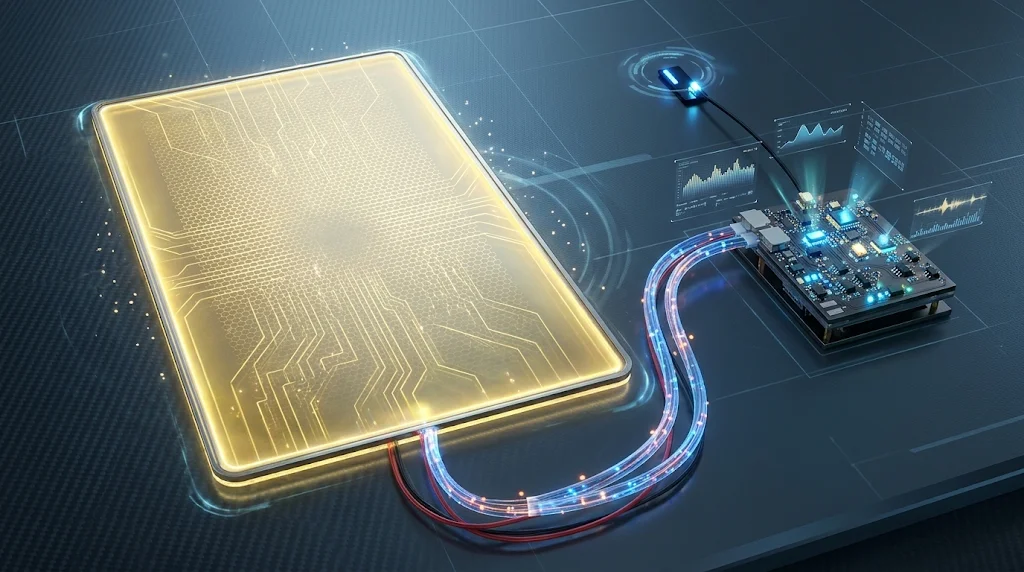
A motion classifier should not treat every fast arm movement as a punch. The flexible pressure sensor first confirms that the striking surface contacted the target and supplies a peak timestamp. The system then retrieves the 500 ms of IMU data immediately before that time.
This window covers the launch, acceleration, rotation and final contact phases of the strike. The model sees a time sequence, not a single acceleration value.
Separate hand identity from punch type
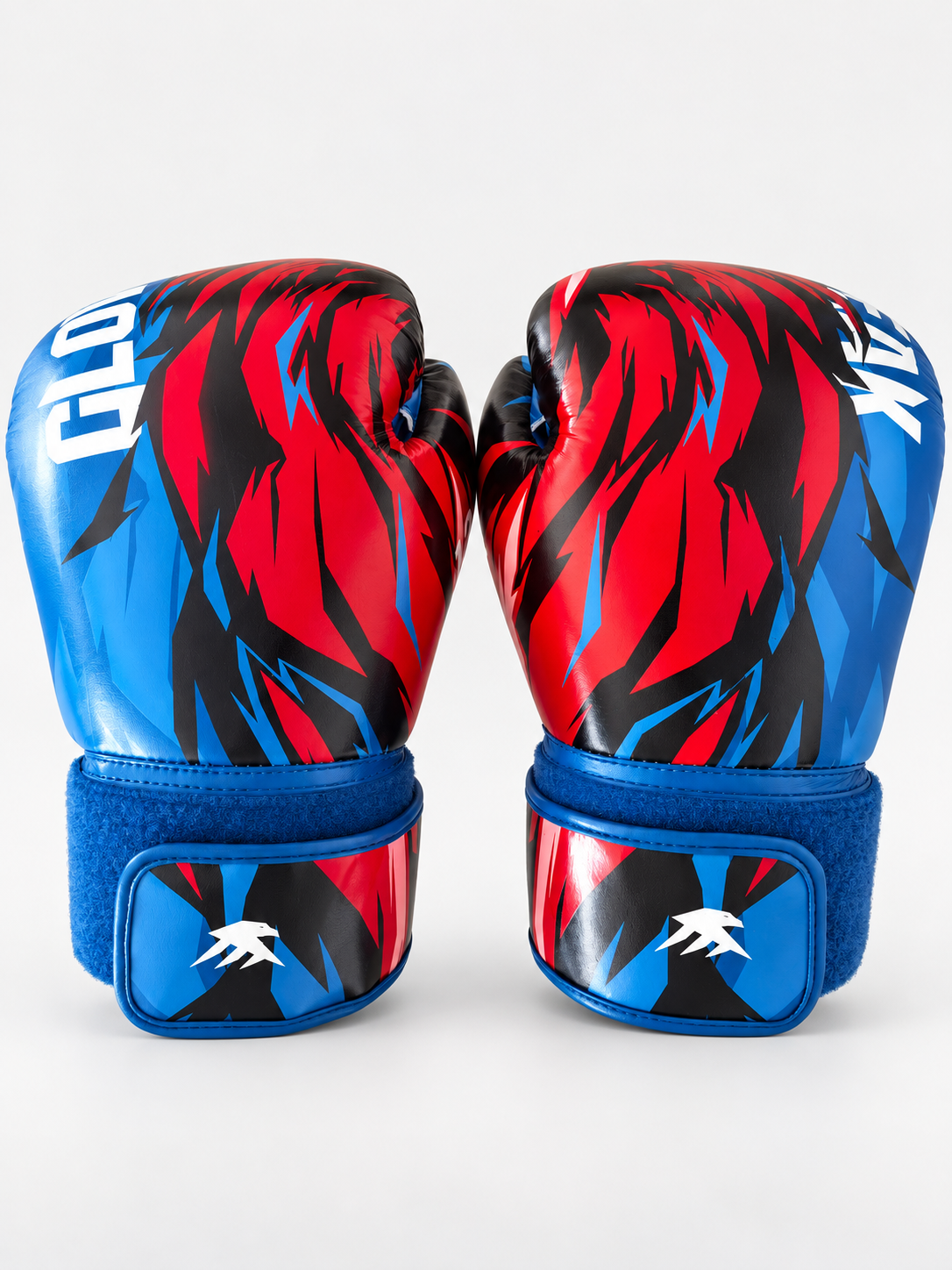
WM-BF-L identifies a left glove and WM-BF-R identifies a right glove. The following six-character pair code is shared by both gloves. Every uploaded frame carries the device identity alongside pressure and IMU readings, so the phone can attribute the motion window to the correct hand before classifying it.
A trained time-series model compares the shape of the acceleration and angular-velocity sequence with learned Straight, Uppercut and Hook patterns. The output is a model classification, not a substitute for a coach's judgement of stance, balance, range or injury risk.
Improve the model with controlled validation
Training data should include multiple coaches, preferred hands, rhythms, body types and both isolated and combination punches. Model updates should retain versioned datasets and a held-out test set so that an improvement in one class does not hide a regression in another.
When fast Uppercuts from new users are repeatedly labeled as Hooks, collect more reviewed examples of that specific case, retrain, and verify the change on separately reserved recordings.
Need a traceable validation plan for your project?
Tell us the target configuration, firmware and acceptance criteria. We can align test records with your OEM or ODM project.
Discuss a validation project