01
HitArena Smart Boxing Competition Overview
An introduction to turning compatible boxing stations into a live multiplayer competition with shared results and rankings.
Chapters, captions & transcript →Connect AI punch recognition, sensor-equipped training stations, member feedback and group competition in one modular gym workflow.
An AI smart boxing gym connects equipment, apps, coaches and members around repeatable tasks. Start with a real class, verify changeover and data responsibility, then expand the stations that improve teaching, engagement or commercial use.
| Role | Practical value |
|---|---|
| Members | Receive one repeatable target for the next round and see whether the sequence, pace or lit target was completed. |
| Coaches | Use recorded counts, punch labels and round results to check one correction while keeping attention on form, footwork and safety. |
| Owners and managers | Review queues, changeover time, station use and completed reports before expanding the floor configuration. |
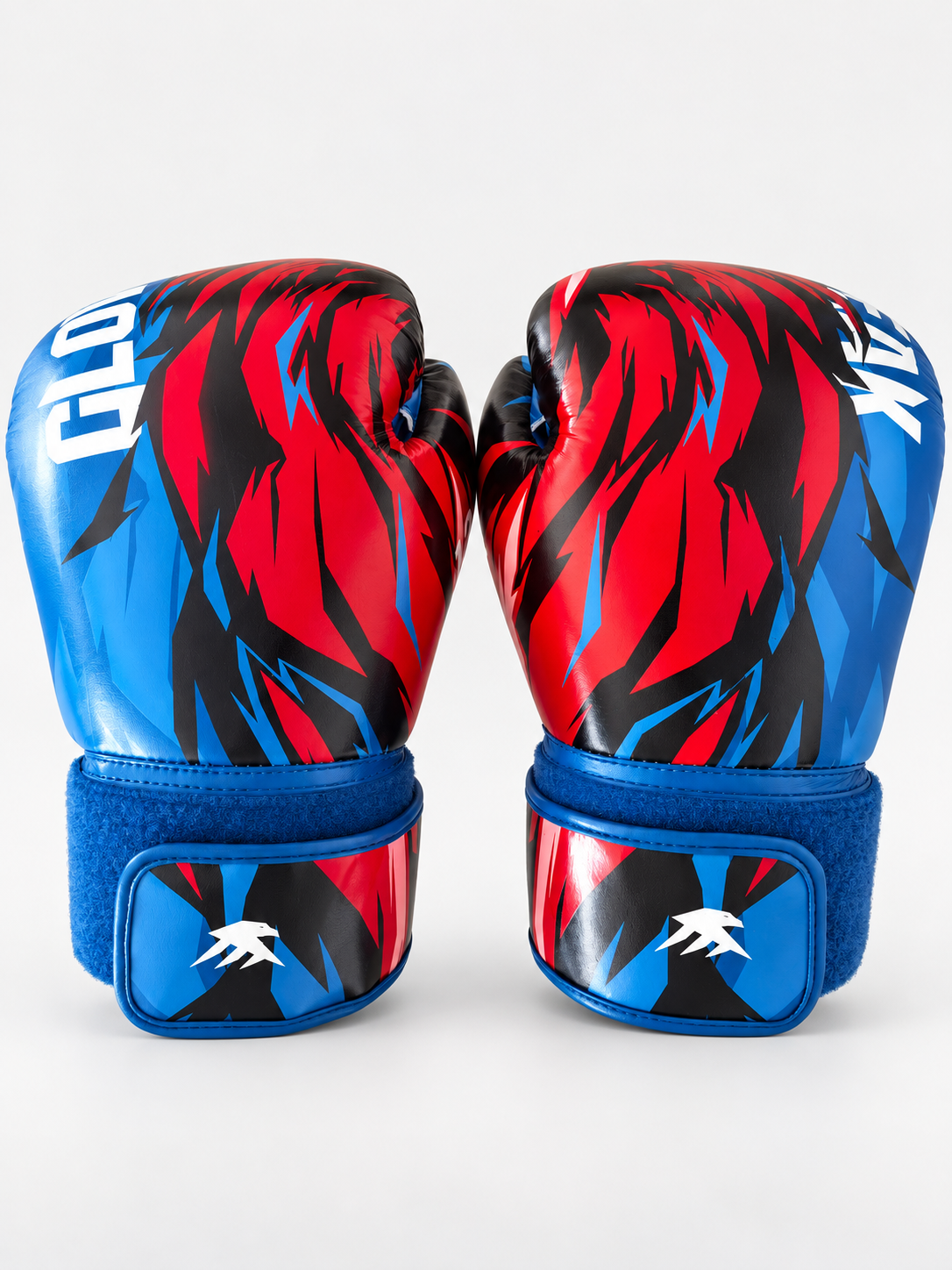
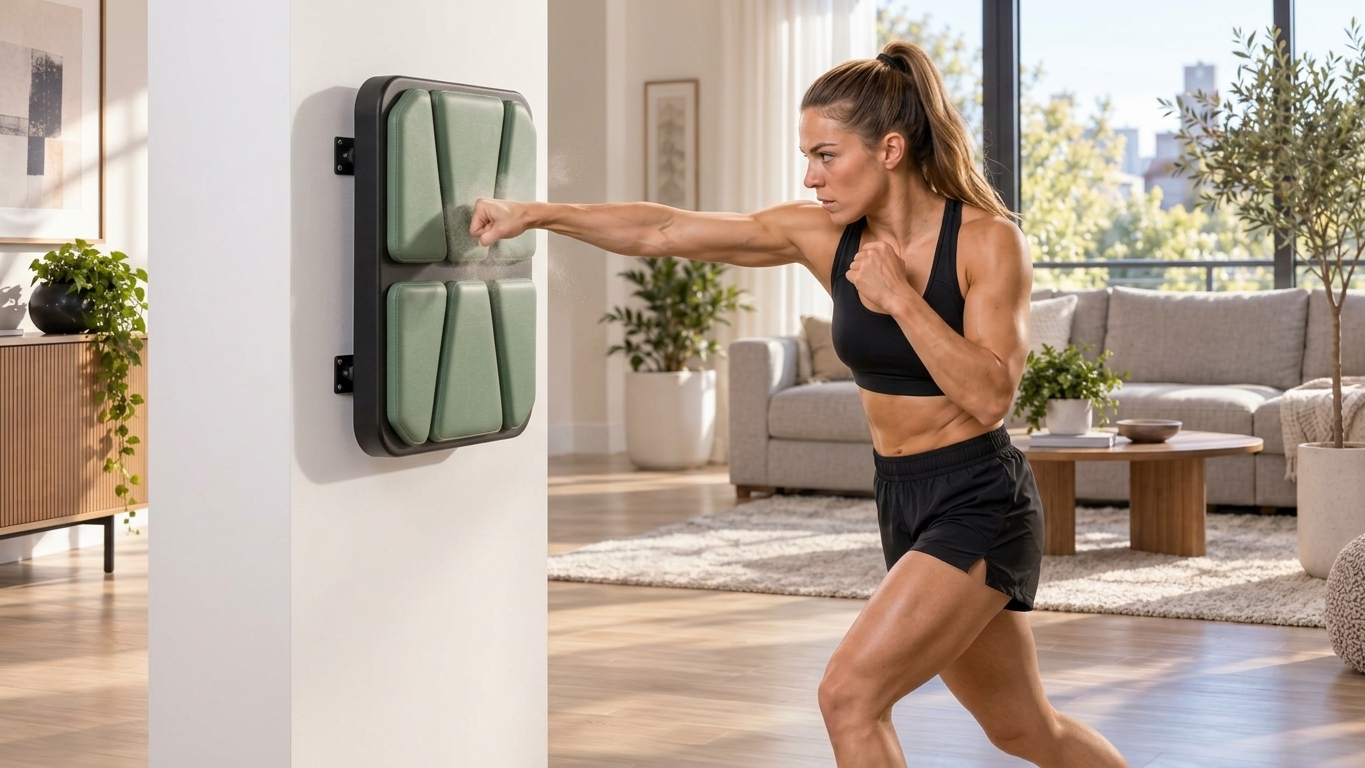
Each station should answer a different coaching question. Product functions, device platforms and reports must be checked against the delivered hardware and app version.
| Training station | Hardware and app | What it adds |
|---|---|---|
| AI technique station | WM-BF + BoxingFitness | Left/right hand, Straight, Uppercut and Hook recognition, reaction time and combination completion. |
| Smart bag rhythm station | WM-BB + HitRise | Add punch count, frequency, relative impact and round feedback to a compatible existing bag. |
| Reflex and speed station | WM-BS2 / WM-DS2 + HitRise | Use rebound for timing and continuous combinations; WM-DS2 also shows COUNT and POWER on the unit. |
| Six-zone wall target | WM-WT + TempoStrike | Use light cues and six pressure-sensing zones for target accuracy, rhythm and repeatable guided drills. |
| Group challenge controller | HitArena · Android | Coordinate one to four compatible WM-BB, WM-BS or WM-DS stations under the same timed scoring rule. |
For 12 members, use three groups of four. Allow 5 minutes to check in, 7 minutes to warm up, three 8-minute rotations and 9 minutes to cool down and review. A member wearing smart gloves at a sensor-equipped bag still occupies one physical striking position.
| Station | Group | Equipment and devices | Repeatable task | Changeover |
|---|---|---|---|---|
| Glove technique | 4 members in pairs | 2 paired WM-BF sets; 1–2 phones/tablets | Single-punch or combination task with one coach cue | About 2–3 minutes including wipe-down |
| Bag rhythm | 4 members | 2 compatible bags with WM-BB; 1–2 devices | Compare equal time intervals on the same bag and settings | About 1–2 minutes |
| Coach-led movement | 4 members | Pads or traditional bag; coach observation sheet | Observe footwork, distance, guard and safety | Under 1 minute |
These are planning examples, not fixed purchase packages. A station recording an individual round normally needs its own compatible device and stand; a WM-DS2 used only for the on-unit display may not need a training tablet.
| Deployment | Reference station mix | Devices | Use before expansion |
|---|---|---|---|
| Reference pilot | 5 WM-BF glove pairs + 5 WM-BB-equipped bags + 1 HitArena controller | 11 Android tablets / stands when every individual station records a round | Test one real class, changeover and reporting workflow before expansion. |
| Full program | 5 sets in each station family: WM-BF, WM-BB, WM-DS2/BS2 and WM-WT + 1 HitArena controller | Reference total: 21 Android tablets / stands | Run full-floor rotations with technique, rhythm, reaction and target stations. |
| Larger club | 10 sets in each station family + 1 HitArena controller | Reference total: 41 Android tablets / stands | For high-capacity clubs after a pilot has confirmed staffing and floor flow. |
Let members experience products in real lessons, challenges and demonstrations, then explore retail, agency sales, project referrals, premium training modules and events. This can help equipment move from a cost center toward a profit center, but actual results depend on the local market, agreement and operation.
| Path | How it can work | Confirm before launch |
|---|---|---|
| Premium training modules | Add repeatable technique, rhythm or reaction modules to private lessons and group classes. | Define the lesson outcome, coach role and member feedback before pricing. |
| Product experience and retail | Let members try compatible products in a supervised lesson before discussing a home-training purchase. | Separate the training service, product quotation, warranty and after-sales responsibility. |
| Local agency and project referrals | Use the gym as a demonstration venue for local buyers, trainers and commercial-project prospects. | Agency territory, pricing, samples and support require a separate written agreement. |
| Challenges and branded events | Run comparable timed rounds, member challenges or corporate experience sessions. | Use consistent hardware and published rules; do not compare unlike stations as equivalent. |
| Area | Rule for deployment |
|---|---|
| AI punch recognition | For the documented WM-BF project version, pressure confirms contact and a motion window supports classification of Straight, Uppercut and Hook. |
| Bag and station metrics | Keep calibrated force, relative impact scores and estimated calories or fat equivalent clearly separated. |
| Connection and class continuity | Confirm pairing, reconnection, offline behavior and a fresh identification hit on the delivered hardware and app version. |
| Compliance planning | Testing, labels, manuals and market-access documentation depend on the final configuration and target market. |
A member session supports coaching and progress review. A competition result also needs published rules, consistent stations, exception handling and a clear result owner. Verify account, storage, export and permission functions against the delivered software version.
For HitArena, the confirmed public configuration uses compatible WM-BS, WM-BB or WM-DS hardware with Android and supports one to four stations. Results from different bags, thresholds or mounting positions should not be treated as directly comparable.
Use these examples to compare four-station challenges, speed and power rules, live results, smart-bag retrofits and reflex-bag competition. Final rules and station configuration should be verified for the delivered project.
An introduction to turning compatible boxing stations into a live multiplayer competition with shared results and rankings.
Chapters, captions & transcript →A four-station timed challenge showing how a short, easy-to-understand competition can engage gym members.
Chapters, captions & transcript →A practical comparison of speed- and power-focused challenges, illustrating why the scoring rule must be announced before a competition.
Chapters, captions & transcript →See four connected stations report competition data to one tablet for live monitoring and ranking.
Chapters, captions & transcript →A retrofit example showing how a compatible punching bag can be connected for measurable solo training or group competition.
Chapters, captions & transcript →Answers common questions about compatible equipment, sensors, app connections, solo training and multiplayer use.
Chapters, captions & transcript →A speedball and reflex-bag competition example using punch count, relative power and live rankings across multiple stations.
Chapters, captions & transcript →| Stage | Required check |
|---|---|
| Before class | Charge hardware, wake and connect every station, confirm the app version, perform one fresh hit and verify the correct station receives it. |
| Between groups | End the prior session, confirm save or discard, change user binding, wipe contact surfaces and run one identification hit. |
| After class | Clean and dry equipment, charge, record faults, note firmware or app changes and restrict access to member data. |
Start with the smallest layout that can run one real class. A four-week pilot should reveal queues, changeover time, connection work and whether coaches actually use the feedback before a larger rollout.
Often, yes, when the proposed WM-BB mounting area is stable, outside the striking zone and passes a trial fit with separated punches, natural bag swing and a short combination.
The confirmed public workflow supports one to four compatible stations on Android. Rules, hardware consistency, score handling and trusted ranking conditions must be confirmed for the delivered project.
Compare the same member on the same station and settings. Calibrated glove force, relative bag or wall-target scores and estimated exercise energy are different measurements and should not be merged into one universal value.
The gym should assign a responsible role, define who can view results and document how guest sessions, exports and deletion requests are handled for the delivered app version.
This can be discussed as a separate commercial model. Product supply, demonstration samples, territory, pricing, warranty, leads and after-sales responsibilities must be confirmed in writing; commercial results depend on the local market and operation.
Send venue dimensions, class size, existing equipment, target market and the training, retail or competition workflow you want to run.